Creating a Positive Safety Culture
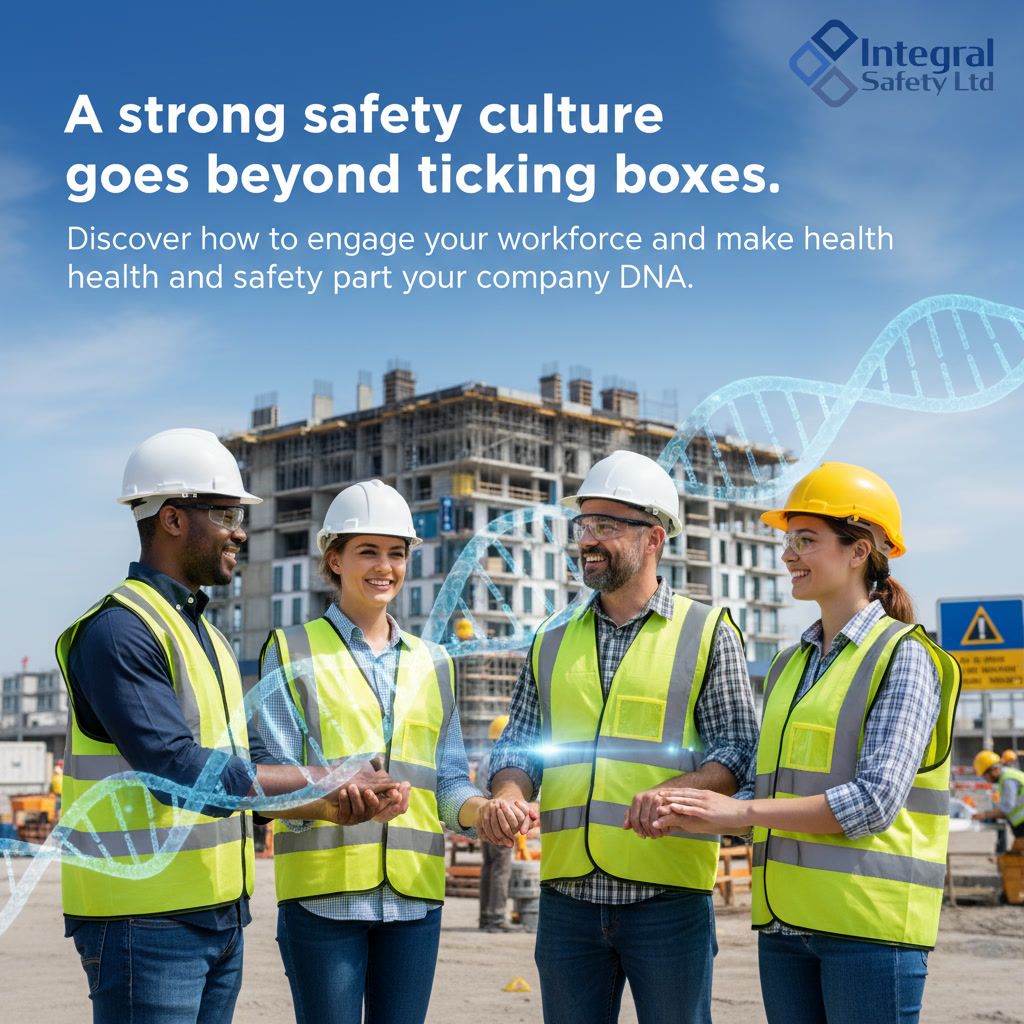
A truly effective health and safety management system goes beyond policies, procedures, and risk assessments. It requires a positive safety culture where everyone, from senior leadership to frontline workers, is committed to working safely and looking out for each other.
What is Safety Culture?
Safety culture refers to the shared values, attitudes, perceptions, and behaviours that characterise how an organisation approaches health and safety. It is "the way we do things around here" when it comes to safety.
Signs of a Positive Safety Culture
- Safety is a visible priority at all levels
- Workers feel comfortable reporting concerns
- Near misses are reported and investigated
- People intervene when they see unsafe behaviour
- Managers lead by example
- Training is valued and invested in
- Good safety performance is recognised
- Continuous improvement is the norm
Signs of a Negative Safety Culture
- Safety is seen as a box-ticking exercise
- Production pressure overrides safety concerns
- Workers fear reporting incidents or concerns
- Blame is the default response to accidents
- Rules are routinely ignored or worked around
- PPE is not worn consistently
- "We have always done it this way" mentality
Building a Positive Safety Culture
Leadership Commitment
Safety culture starts at the top. Leaders must:
- Make safety a genuine priority, not just words
- Allocate adequate resources
- Be visible on the shop floor
- Follow the same rules as everyone else
- Respond constructively to concerns
Worker Engagement
Involve workers in health and safety through:
- Safety committees and representatives
- Consultation on changes affecting safety
- Encouraging suggestions and feedback
- Recognising good safety behaviour
- Involving them in risk assessments
Communication
Effective communication includes:
- Clear safety messages from leadership
- Regular toolbox talks and briefings
- Sharing lessons from incidents and near misses
- Open door policies for raising concerns
- Two-way feedback mechanisms
Learning Organisation
A positive safety culture embraces learning:
- Incidents are investigated without blame
- Near misses are valued as learning opportunities
- External incidents and best practices are shared
- Training is ongoing, not one-off
- Performance is measured and reviewed
Measuring Safety Culture
Indicators of safety culture include:
- Near miss reporting rates (higher is better)
- Safety observation completion rates
- Employee perception surveys
- Safety conversation frequency
- Training completion and competence
- Audit scores and trends
The Business Case
Organisations with strong safety cultures typically see:
- Fewer accidents and incidents
- Lower absence rates
- Better staff retention
- Improved productivity and quality
- Enhanced reputation
- Reduced insurance and legal costs
Integral Safety can help you assess your current safety culture and develop practical strategies for improvement. From leadership workshops to employee engagement programmes, we support organisations on their journey to safety excellence.
How Integral Safety Can Help
Need advice specific to your business? Get in touch for a free, no-obligation consultation.